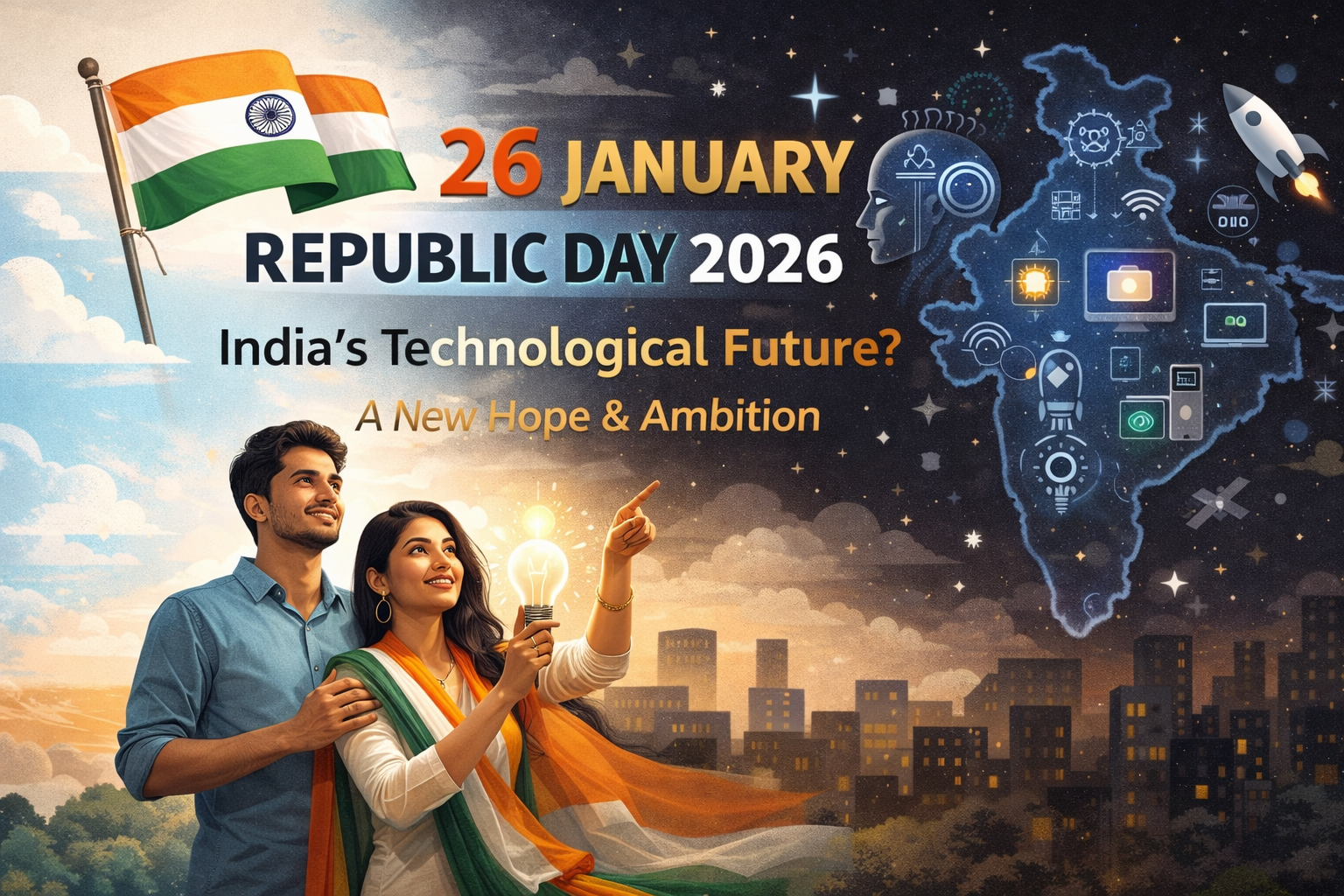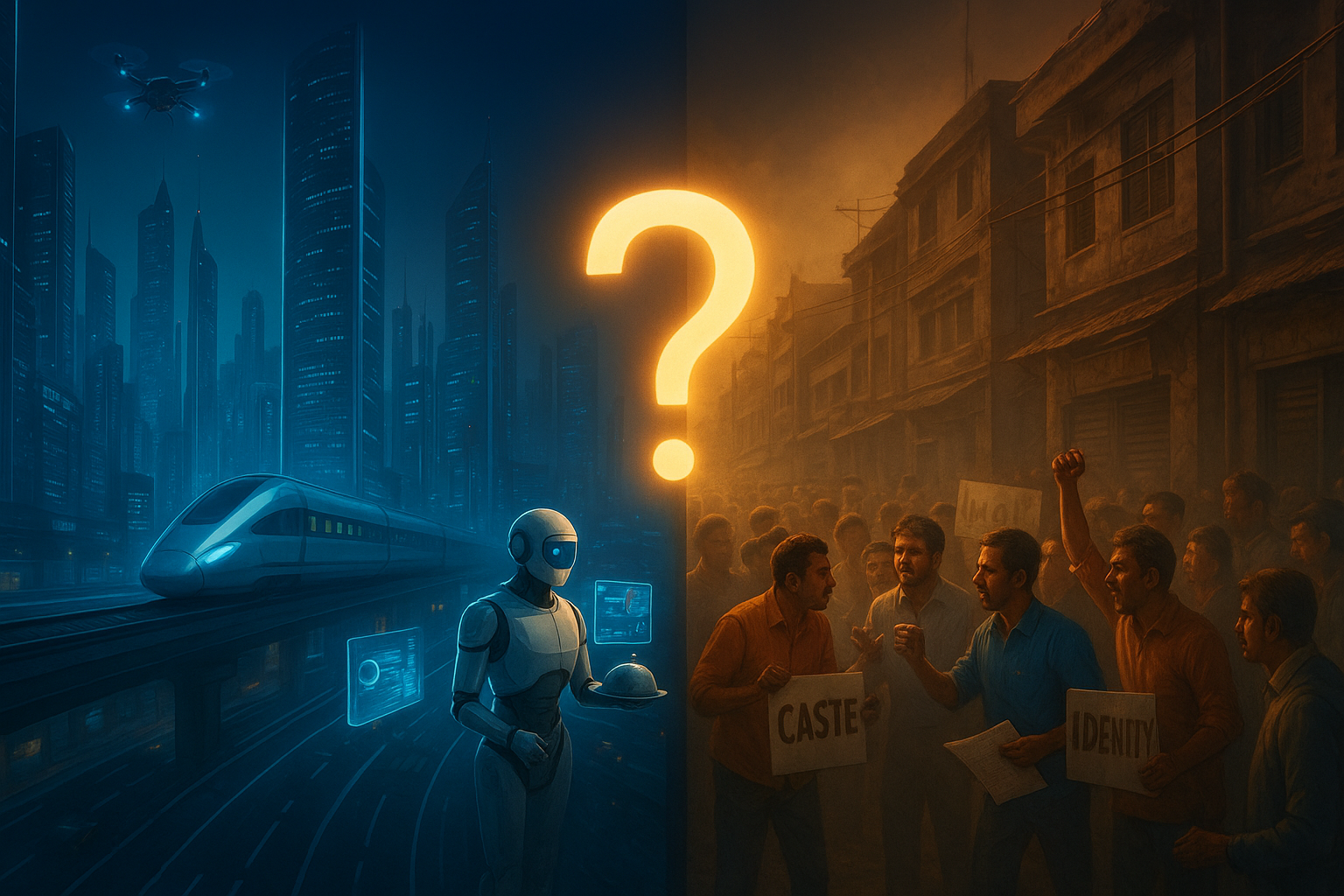
Hello friends, Today we are taking about how china live in 8d world, In recent years, China has often been described as an “8D world” by people who are amazed at the speed and scale of its technological growth. High-speed trains passing seamlessly between skyscrapers, robots delivering room service in hotels, smart cities powered by artificial intelligence, and infrastructure that looks straight out of a science-fiction movie—these developments can leave anyone stunned. When people compare this progress to India’s struggles, a difficult but important conversation begins.
This article is not about blaming any community, religion, or ideology. It is about mindset, priorities, and progress, written with respect for all beliefs and emotions. India is a diverse, democratic nation with deep cultural roots, and that itself is a strength. However, to compete globally in technology and innovation, we must honestly reflect on where our focus lies today.
China’s Technological Leap: A Reality Check
China’s rapid advancement did not happen overnight. It is the result of decades of focused investment in technology, infrastructure, research, and manufacturing. The country heavily supports innovation in areas like:
- Artificial Intelligence (AI)
- Robotics and automation
- High-speed rail networks
- Smart cities and surveillance systems
- Advanced manufacturing and logistics
One of the most shocking sights for outsiders is China’s urban planning—trains moving through densely packed buildings without disruption, automated ports operating with minimal human intervention, and robots being used not as experiments, but as daily tools in hotels, hospitals, and warehouses.
This progress forces the world to rethink what is possible when a nation aligns its policies, education, and economy toward a common goal.
India’s Strength Lies Elsewhere—But Focus Matters
India is not behind because of a lack of intelligence or talent. In fact, Indian engineers, doctors, scientists, and entrepreneurs are respected globally. Indian CEOs lead some of the world’s biggest technology companies. The real issue is how much attention we collectively give to long-term development versus short-term conflicts.
India often finds itself emotionally invested in social and religious debates. While faith, culture, and identity are important parts of society, problems arise when they dominate national discourse to the point where innovation, education, and technology take a back seat.
This is not about Hindu, Muslim, or any other identity. It is about balance.
Development vs Division: A Question of Priorities
Healthy democracies allow debate. However, when public energy is consumed mainly by division, progress slows down. Countries that move fast technologically usually show three common traits:
- Strong focus on education and skills
- Heavy investment in infrastructure and R&D
- A future-oriented national mindset
China, South Korea, Japan, and even smaller nations like Singapore invested aggressively in science and technology while maintaining social order and discipline.
India, on the other hand, often struggles to maintain focus. We have world-class startups and digital systems like UPI and Aadhaar, but the scale and speed are still not enough to match global leaders.
Technology Is Not the Enemy of Culture
A common fear is that rapid modernization may dilute culture and traditions. This fear is understandable, but history shows that technology and culture can coexist.
Japan is a powerful example—deeply traditional yet highly advanced. Temples exist alongside bullet trains. Respect for elders exists alongside robotics labs. Progress does not require abandoning identity; it requires evolving with time.
India’s culture is resilient. It has survived thousands of years. What it needs now is modern tools, not internal conflict.
Education and Innovation: The Real Battlefield
If India truly wants to compete with China or any other technological superpower, the focus must shift toward:
- Improving government schools and universities
- Encouraging research, not rote learning
- Supporting startups beyond metro cities
- Investing in robotics, AI, clean energy, and manufacturing
- Creating skilled jobs instead of only degree holders
Talent exists everywhere in India—villages, small towns, and tier-2 cities. What is missing is access, infrastructure, and encouragement.
Media and Social Responsibility
Another challenge is how information spreads. Sensationalism often gets more attention than science or innovation. As citizens, we must ask ourselves: What content are we consuming and promoting?
When technological achievements, scientific breakthroughs, and educational reforms become trending topics, society slowly shifts toward growth.
India’s Future Is Still Bright
Despite challenges, India has immense potential. We are young, dynamic, and digitally connected. Programs like Digital India, Make in India, and Startup India are steps in the right direction, but they need consistent execution and public support.
Comparing India and China should not lead to inferiority or anger. Instead, it should inspire introspection and improvement. Every country has a unique journey. India does not need to copy China—it needs to learn selectively and innovate locally.
Progress Needs Unity, Not Uniformity
India does not lack intelligence, faith, or culture. What it sometimes lacks is collective focus. Development does not demand that we abandon beliefs; it demands that we respect differences and work together for a stronger future.
If we invest the same energy into education, technology, and innovation that we invest into debates, India can easily move beyond being seen as a “3D world.” The future belongs to nations that think ahead, not those stuck in endless conflict.
True progress begins when development becomes a shared goal—above division, above distraction, and rooted in mutual respect.