







Namaskaar Friends,
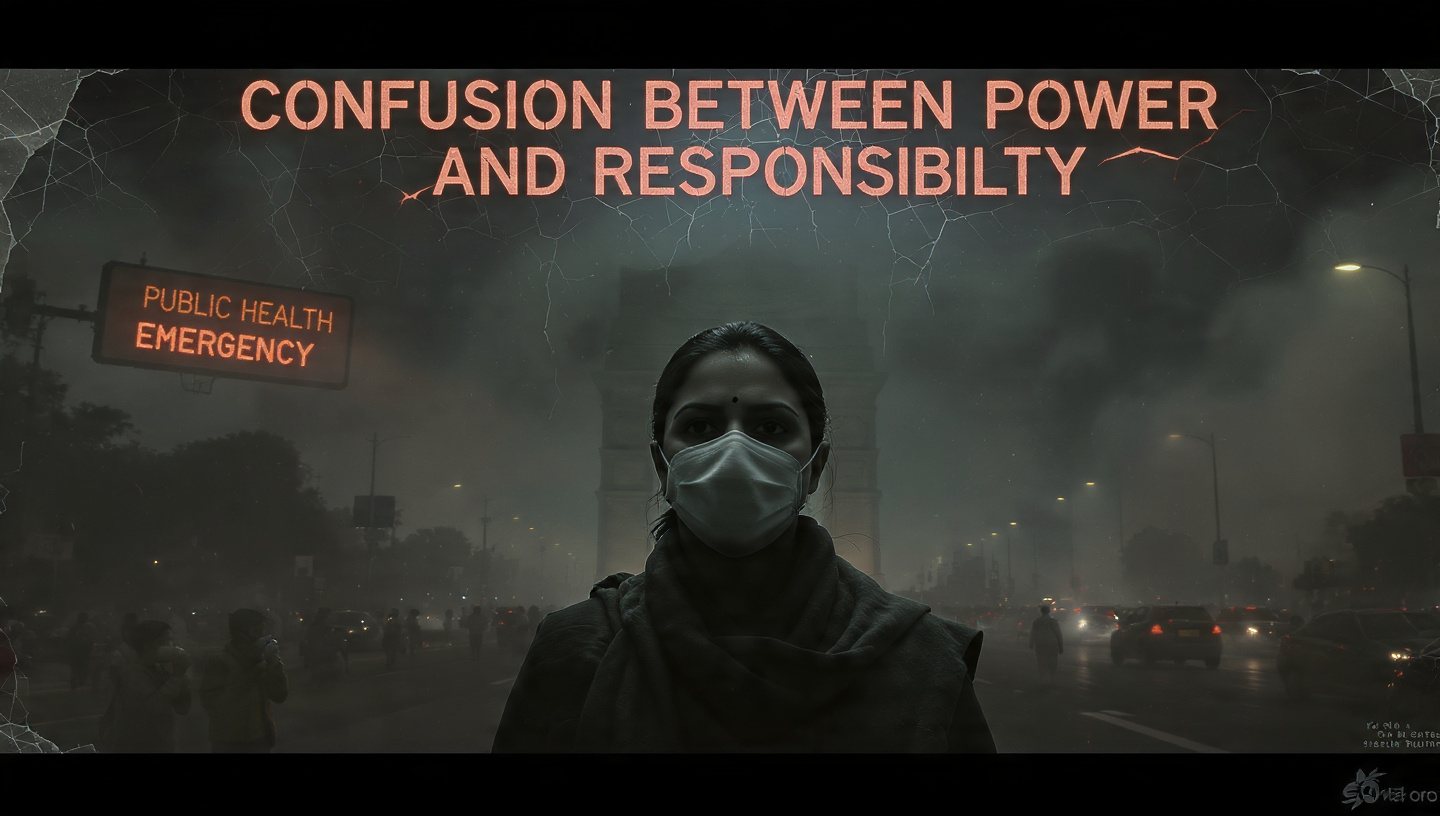
Delhi has once again found itself at the center of a heated public discussion—this time not just because of its choking air, but because of a controversial statement that has sparked confusion between Pollution AQI and Temperature. Many citizens, experts, and environmental activists are questioning whether Delhi’s leadership truly understands the difference between these two very different scientific concepts. This debate is not just about one statement or one leader; it highlights a much bigger problem—lack of environmental awareness at the policy-making level.
In this article, we will clearly explain the difference between AQI and temperature, why mixing them up is dangerous, and how such confusion can directly impact public health, governance, and trust.
Understanding the Context: Why This Issue Matters
Delhi is one of the most polluted cities in the world. Every year, especially during winter, the city struggles with hazardous air quality levels. Schools are closed, flights are delayed, hospitals see a rise in respiratory cases, and citizens are advised to stay indoors.
In such a sensitive situation, when a top authority appears to confuse air pollution levels (AQI) with weather conditions like temperature, it naturally raises eyebrows. Governance in a polluted city like Delhi requires scientific clarity, not vague or misleading explanations.
What Is AQI (Air Quality Index)?
The Air Quality Index (AQI) is a numerical scale used to measure how polluted the air is and how it affects human health.
Key Points About AQI:
- AQI measures pollutants like:
- PM2.5
- PM10
- Nitrogen Dioxide (NO₂)
- Sulfur Dioxide (SO₂)
- Ozone (O₃)
- Carbon Monoxide (CO)
- AQI scale in India generally ranges from:
- 0–50: Good
- 51–100: Satisfactory
- 101–200: Moderate
- 201–300: Poor
- 301–400: Very Poor
- 401–500: Severe
An AQI above 400 is considered a public health emergency.
👉 Important: AQI has nothing to do with how hot or cold the weather is.
What Is Temperature?
Temperature simply measures how hot or cold the atmosphere is at a particular place and time.
Key Points About Temperature:
- Measured in degrees Celsius (°C) or Fahrenheit (°F)
- Affected by:
- Sunlight
- Season
- Cloud cover
- Wind patterns
- Temperature does not measure pollution
A cold day can have clean air, and a hot day can be extremely polluted—or vice versa.
The Critical Difference Between AQI and Temperature
| Factor | AQI | Temperature |
|---|---|---|
| What it measures | Air pollution level | Heat or cold |
| Health impact | Respiratory, heart, lung damage | Heatstroke or cold stress |
| Unit | Index value (0–500) | Degrees (°C/°F) |
| Cause | Emissions, dust, smoke | Weather and solar radiation |
Confusing these two shows a fundamental misunderstanding of environmental science.
Why Confusing AQI with Temperature Is Dangerous
1. Public Misinformation
When leaders mix up AQI and temperature, citizens may believe pollution is only a “seasonal cold-weather issue,” which is false. Pollution exists year-round.
2. Poor Policy Decisions
If pollution is blamed on temperature alone, authorities may avoid taking responsibility for:
- Vehicular emissions
- Industrial pollution
- Construction dust
- Crop burning
3. Health Risks
People rely on official statements to decide whether to:
- Send children to school
- Go for morning walks
- Wear masks
Wrong messaging can literally cost lives.
Scientific Reality: Temperature Can Affect AQI, But They Are Not the Same
Yes, temperature can influence pollution—but it does not define it.
For example:
- In winter, cold air traps pollutants closer to the ground (temperature inversion)
- Low wind speed worsens AQI
- But pollution still comes from human activities, not cold weather
Blaming temperature without addressing emissions is like blaming fever instead of treating the infection.
Public Reaction and Trust Deficit
Delhi’s residents are not ignorant. People check AQI apps daily, wear masks, use air purifiers, and follow global environmental news. When leaders make statements that appear scientifically incorrect, it creates:
- Loss of trust
- Public anger
- Social media backlash
- Questions about administrative competence
In a democracy, credibility matters as much as authority.
The Need for Environmental Literacy in Leadership
Today’s leaders must understand:
- Climate science
- Air pollution metrics
- Public health data
- Environmental accountability
This is not optional—especially in a city like Delhi, where pollution is one of the biggest killers.
What Should Be Done Instead?
1. Clear Communication
Authorities must explain pollution using data, not excuses.
2. Accept Responsibility
Weather may worsen pollution, but emissions cause it.
3. Long-Term Solutions
- Promote electric vehicles
- Control construction dust
- Improve public transport
- Strict industrial regulation
4. Expert Consultation
Environmental scientists should guide public statements, not political assumptions.
Delhi’s pollution crisis is real, deadly, and urgent. Confusing AQI with temperature is not a small mistake—it reflects a deeper issue of understanding and accountability. Citizens deserve accurate information, scientific clarity, and responsible leadership.
Air pollution is not just a weather problem—it is a man-made disaster that demands man-made solutions.
Awareness is the first step toward change. Let’s demand better knowledge, better communication, and better action—because clean air is not a luxury, it is a basic right.